Owning the Dance Floor: The Ultimate Guide to a Flawless Sangeet Performance
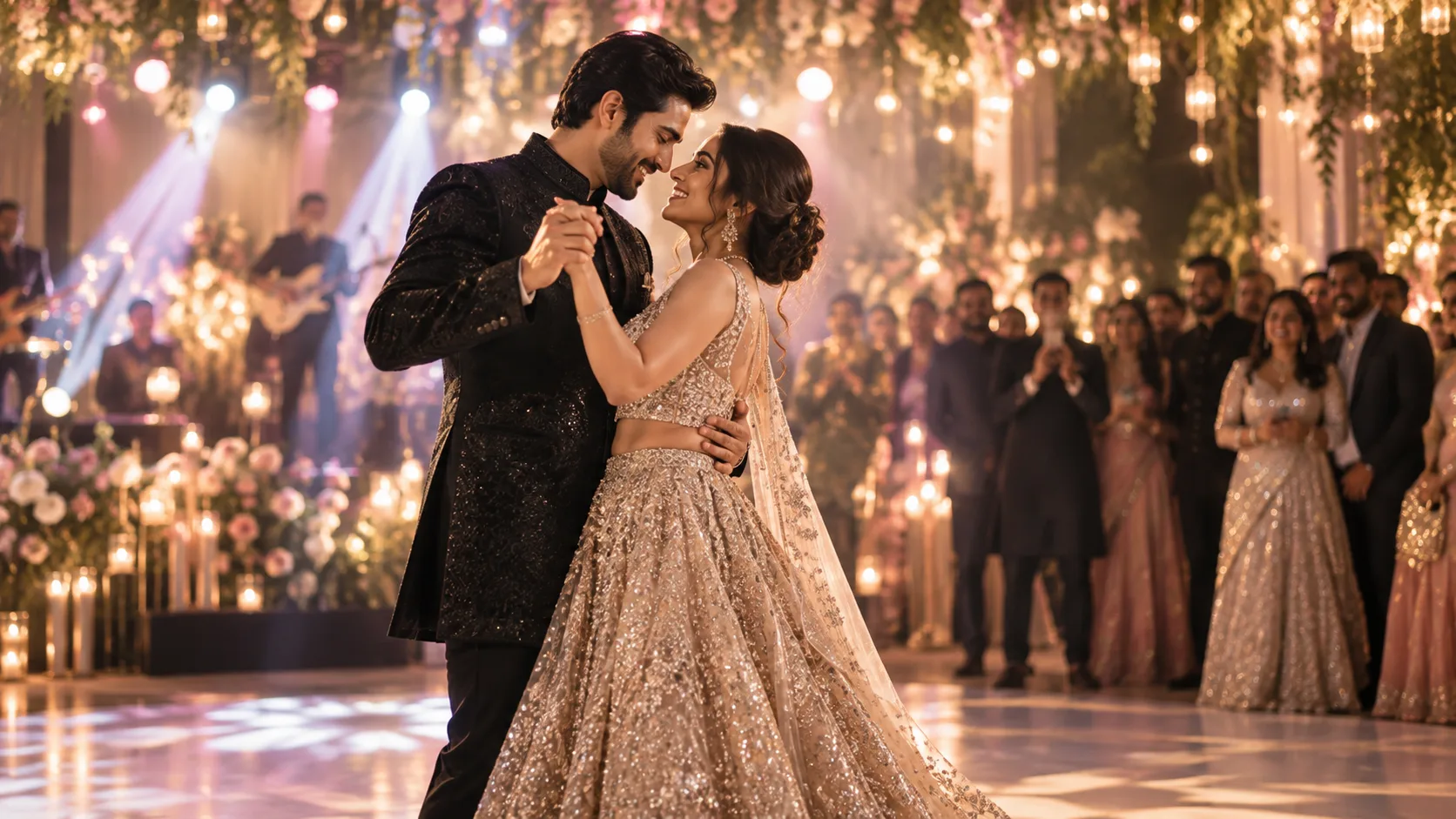
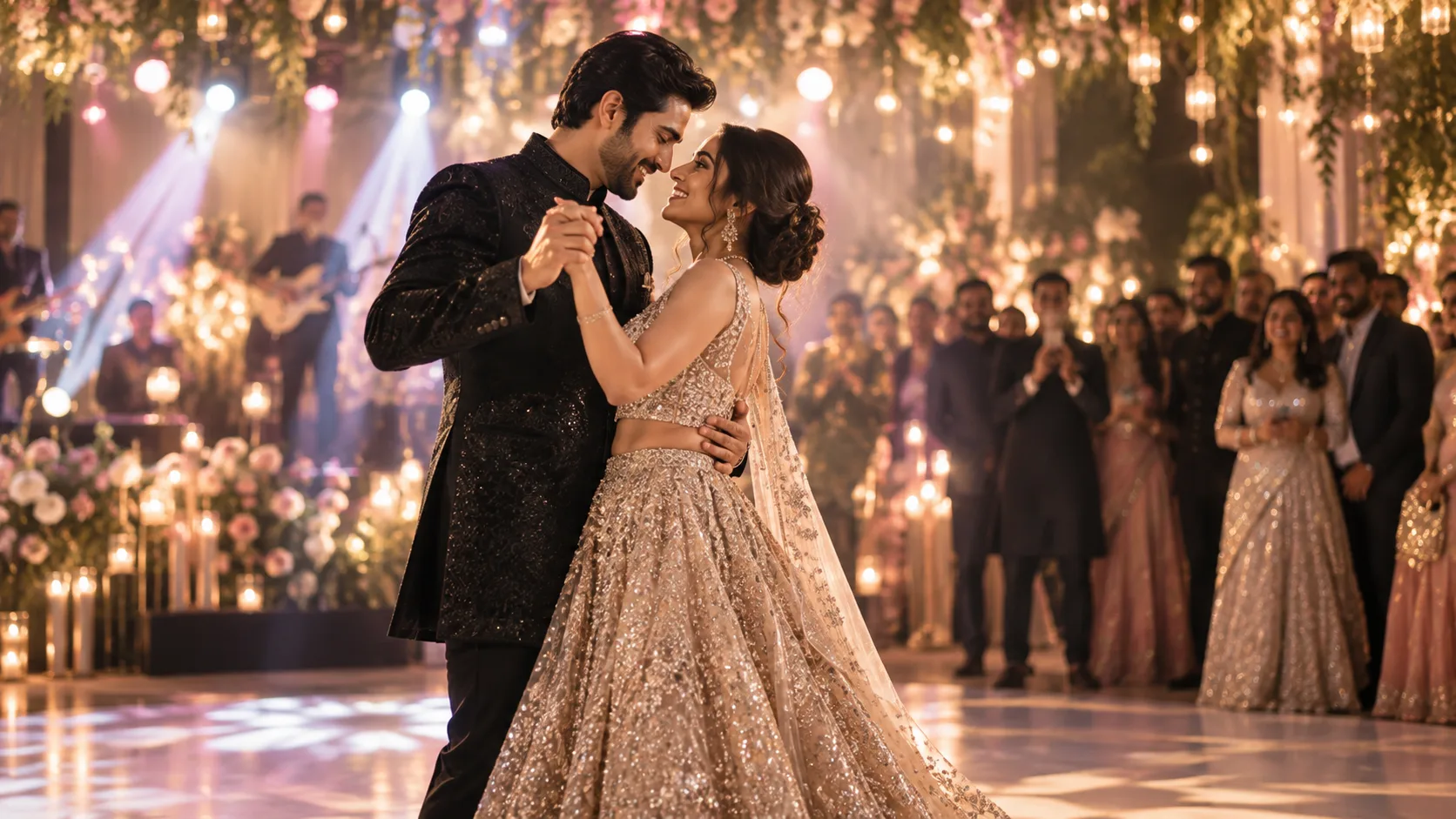
The Sangeet night is universally considered the most anticipated and energetic event of an Indian wedding. However, if you are someone with two left feet, the very idea of a solo or couple performance in front of hundreds of guests can be incredibly daunting. Fear not! The secret to a memorable Sangeet is not professional-level perfection, but rather energy, expressions, and having fun. With the right strategic approach and preparation, absolutely anyone can rock the stage and leave the audience cheering.
1. Pick the Right Tracks and Create a Mashup
Your song choice is half the battle won. Always choose songs with a clear, steady, and predictable beat. Nostalgic 90s Bollywood tracks, trending Punjabi hits, or simple hook-step songs are significantly easier to master than fast-paced classical or contemporary fusion numbers. Instead of dancing to one long 4-minute song, work with an audio editor to create a dynamic mashup of 2 to 3 tracks. Starting with a slow romantic number and suddenly transitioning into a high-energy dance track keeps the audience completely surprised and engaged.
2. Hire a Professional Wedding Choreographer
A great wedding choreographer does so much more than just teach basic steps; they are stage directors. They will carefully assess your natural skill level, body language, and comfort zone, and then tailor a custom routine that makes you look graceful and effortlessly confident. Furthermore, choreographers are experts at wrangling large groups of cousins and aunties for coordinated family performances. Be sure to explore WedneXo to book a professional choreographer at least a month or two in advance so you have ample time for stress-free rehearsals.
3. Keep It Short, Sweet, and Impactful
When it comes to Sangeet performances, less is almost always more. Attention spans are short, and the audience wants to see multiple performances from both the bride's and groom's sides. A solo or couple performance should absolutely not exceed 90 seconds to 2 minutes. Even large group family dances should ideally be capped at 3 to 4 minutes. Your primary goal is to leave the audience clapping and wanting more, rather than dragging a repetitive performance out until people start checking their phones.
4. Practice in Your Heavy Wedding Outfits
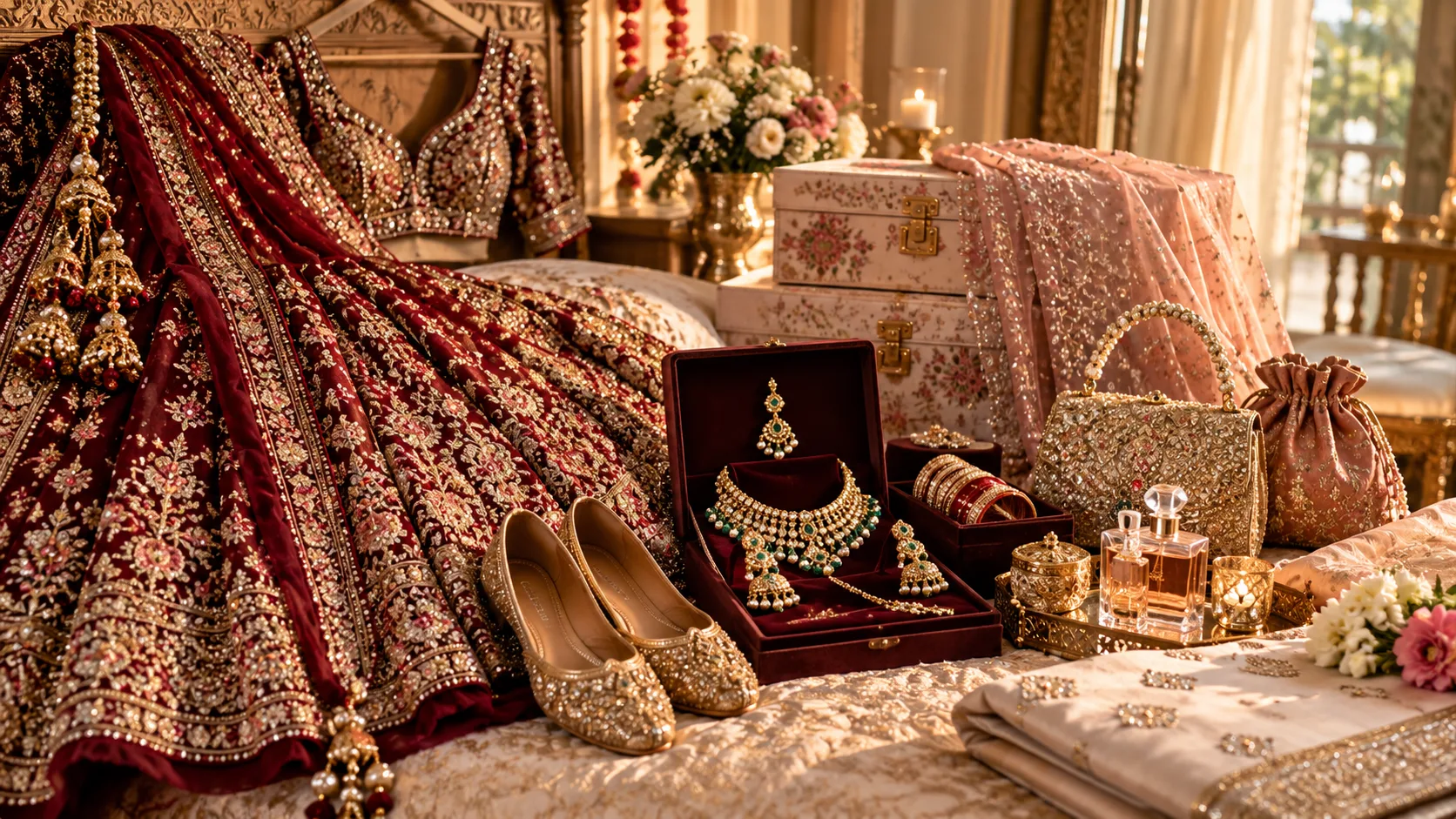
Dancing in comfortable gym clothes is completely different from dancing in traditional Indian wear. Bridal lehengas can weigh upwards of 10 kilograms, and groom sherwanis can severely restrict shoulder and arm movement. It is mandatory to practice your final routine wearing your actual wedding outfit (or a rehearsal skirt of similar weight and length). More importantly, you must practice wearing your final performance shoes—whether those are heavy bridal heels or slippery leather mojaris—to completely eliminate the risk of tripping or losing your balance on a glossy stage.